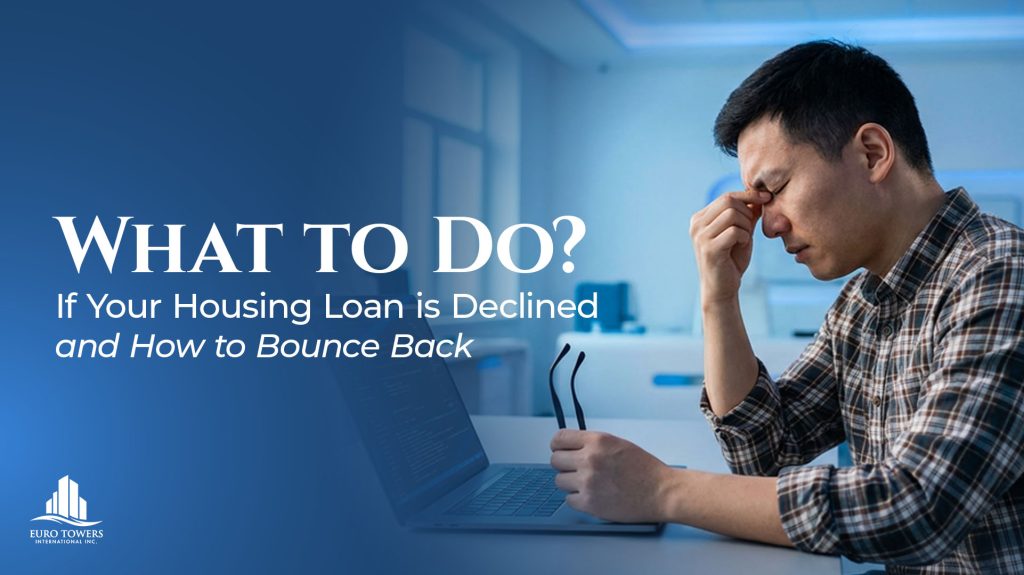
Receiving a rejection letter from a bank can feel like a door slamming shut on your dreams of homeownership. Especially in March 2026, with the BSP target RRP rate recently cut to 4.25% (Bangko Sentral ng Pilipinas, 2026), missing out on these historically low borrowing costs feels particularly frustrating.
However, a loan denial is rarely the end of the road. It is often just a signal to pivot your strategy. Whether you are eyeing a condo for sale in Quezon City or an investment in Davao, here is your professional “Plan B” playbook.
1. Identify the “Root Cause”
Philippine banks are required to be transparent. Your first step is to request a formal letter of denial or speak with your loan officer to identify which of the “Big Three” factors caused the rejection:
Capacity (Debt-to-Income Ratio): Banks in 2026 typically look for a DTI ratio of 40% or lower. If your existing car loans or credit card debts eat up too much of your salary, you may be deemed “over-leveraged.”
Credit History: Unpaid utility bills or late credit card payments from years ago can still haunt your credit score. In some cases, outstanding balances from online lending apps, unpaid tuition fees, or other financial obligations reflected in background checks may also influence a bank’s lending decision.
Collateral Issues: Sometimes, the bank isn’t rejecting you—they are rejecting the property. If a developer has a history of delays or lacks a valid License to Sell (LTS), the bank views the unit as a high-risk asset.
2. The “Plan B” Decision Tree
Once you know why you were declined, you can take one of the following paths:
The Co-Borrower Strategy: If your income was the issue, you can add a co-borrower (usually a spouse or immediate family member). This allows the bank to combine your monthly incomes, significantly increasing your “repayment capacity” (Security Bank, 2026). In some cases, lenders may also allow a co-maker (guarantor) who supports the loan application or a co-buyer arrangement where two parties jointly purchase the property.
The Bank-to-Pag-IBIG Shift: If a private bank found your profile too risky (a common hurdle for OFWs), the Pag-IBIG Fund is often more accommodating. As a government-backed entity, Pag-IBIG has specialized programs like the Affordable Housing Program and more flexible credit requirements for active members.
In-House Financing: While interest rates are typically higher, in-house financing with a developer has the highest approval rate because they are essentially “betting on themselves.”
3. Why Your Choice of Developer Matters
A major reason loans are approved quickly is the reputation of the developer. Banks and Pag-IBIG prefer “Ready-For-Occupancy” (RFO) units because the collateral is already physically there—it is 100% tangible and low-risk.
Developers with a consistent track record of completing projects tend to have smoother loan approvals because banks are more confident in the property’s long-term value. Ready-For-Occupancy (RFO) units, in particular, are easier to appraise because the asset already physically exists.
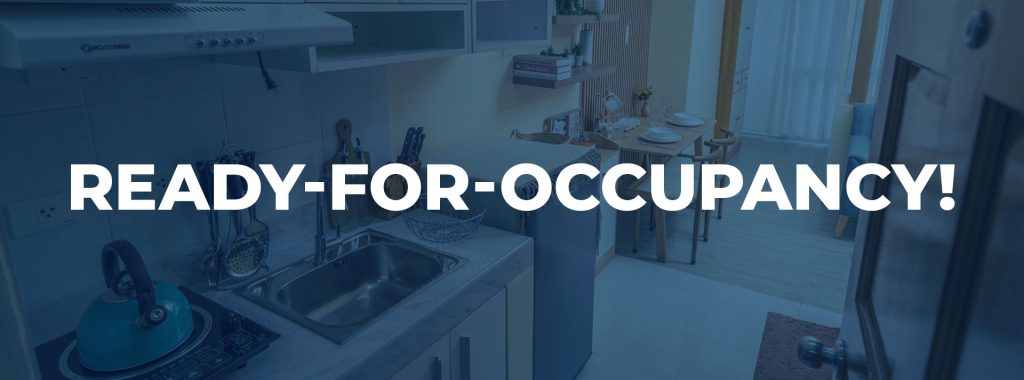
RFO Advantage: Because our units in Vivaldi Residences Cubao, Vivaldi Residences Davao, and Milan Residenze Fairview are finished, the appraisal process is significantly faster.
Pag-IBIG Accredited: Being a Pag-IBIG accredited developer means our paperwork is already vetted. If a bank declines you, our team can seamlessly help you pivot your application to Pag-IBIG.
Action Steps for March 2026
If you’ve been declined, don’t let your reservation fee go to waste.
Check the MRT-7 Impact: If you are buying in Fairview, the nearing completion of the MRT-7 means your property value is rising monthly. Delaying your purchase by a year to “fix your credit” might cost you more in price appreciation than you’d save in interest. Talk to a Specialist: Our representatives at Milan Residenze Fairview or Vivaldi Residences Davao can review your documents and suggest the path with the highest probability of approval.
If you’re unsure whether your income qualifies for a housing loan, you can start by understanding the typical salary requirements for buying a condo. Check out How Much Salary Do You Need to Buy a Condo in the Philippines?
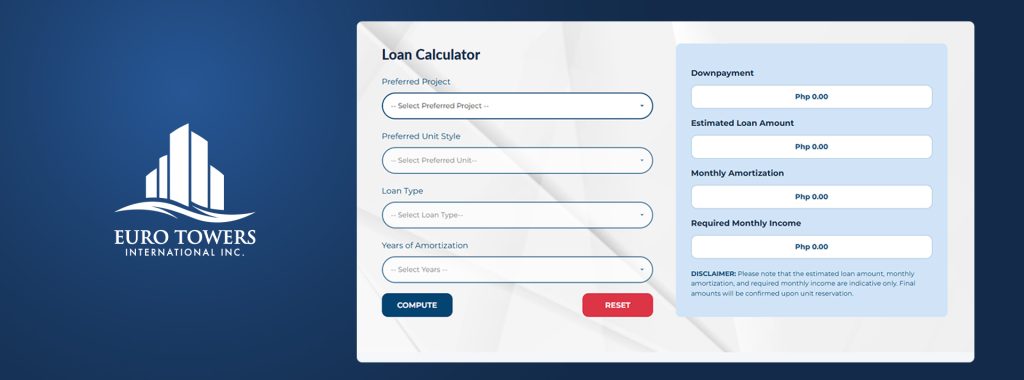
Need a second opinion on your loan eligibility? Check your budget by exploring our Loan Calculator today!
References
Bangko Sentral ng Pilipinas (BSP). (2026, February). Monetary Policy Report – February 2026. https://www.bsp.gov.ph/SitePages/PriceStability/FullReportMPR/MonetaryPolicyReport-Full-February2026.aspx
Security Bank. (2026). Home Loan Requirements and Co-borrower Rules. https://www.securitybank.com/personal/loans/home-loan-housing-mortgage/
Pag-IBIG Fund. (2026). Housing Loan Circular No. 445: Updated Guidelines on Professional Borrowers. https://www.scribd.com/document/809709380/Circular-No-445-Amended-Guidelines-Implementing-the-Pag-IBIG-Health-and-Education-Loan-Program