
As the Philippine workforce fully embraces the 2026 hybrid and return-to-office mandates, especially during times of crisis and conflict, finding the right place to live is more critical than ever. With traffic congestion returning to pre-pandemic levels and the cost-of-living fluctuating, your housing choice directly impacts your daily stress, your budget, and your overall well-being. This makes it a strategic choice to Beat the 2026 Fuel Price Shock.
If you are currently deciding how to secure a condo for rent in Quezon City or Davao, you are likely weighing two main options: booking a short-term transient stay (like an Airbnb) or committing to a traditional, long-term lease.
Which one actually fits your lifestyle and financial goals this year? Let us break down the pros, cons, and hidden realities of both.
1. The Short-Term Rental (The Nomad’s Choice)
Short-term rentals usually span anywhere from a few days to a couple of months. They are heavily marketed toward digital nomads, tourists, and professionals on brief assignments.
The Pros: Supreme flexibility. You can pack up and leave with minimal notice. These units are almost always fully furnished down to the silverware, meaning your move-in requires nothing but a suitcase.
The Cons: You pay a premium for that flexibility. Short-term daily or monthly rates are significantly higher than long-term equivalents because they factor in vacancy risks, cleaning fees, and platform service charges. Furthermore, you never truly feel “at home,” and you lack the legal protections that come with a formalized lease contract.
2. The Long-Term Lease (The Resident’s Advantage)
A long-term lease typically involves signing a 1-year contract (or longer) directly with a property owner or the developer’s official leasing department.
The Pros: Financial stability and peace of mind. Your monthly rate is locked in, protecting you from sudden price hikes. You also gain access to community building, getting to know your neighbors and the property management staff. You have the legal security of a standardized contract, and you can personalize the space to truly make it your own.
The Cons: It requires upfront commitment, typically involving a security deposit and advance rent. You are also responsible for setting up your own utility accounts (though building admins usually assist with this).
The 2026 Cost Comparison: By the Numbers
To put things in perspective, let us look at the financial reality of renting a standard transit-oriented unit in Metro Manila over a 12-month period.
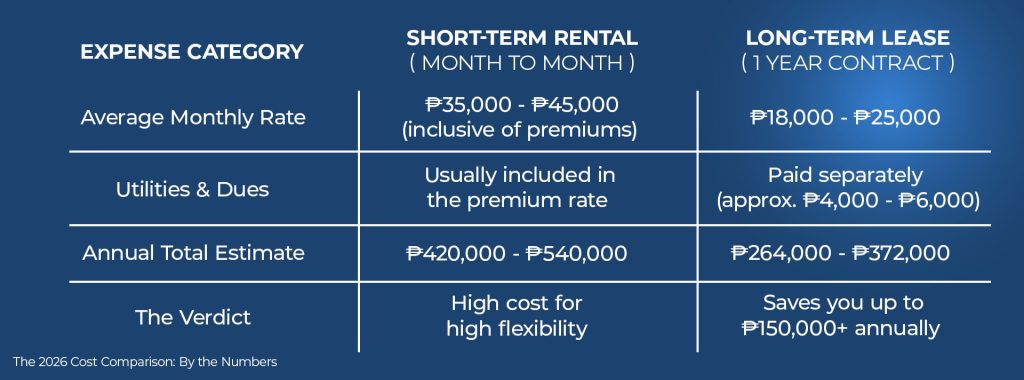
The Takeaway: If you plan to stay in a city for more than three months, a long-term lease is mathematically the smartest choice.
Why Transit-Oriented, Long-Term Leasing Wins in 2026
If your goal is to build a stable, focused routine, establishing roots in a strategically located building is your best move.
If you’re planning to stay in the city for more than a few months, choosing the right location and the right developer makes all the difference. When you sign a long-term lease for our Ready for Occupancy (RFO) condo Philippines units, you are not just getting a room; you are securing a lifestyle.
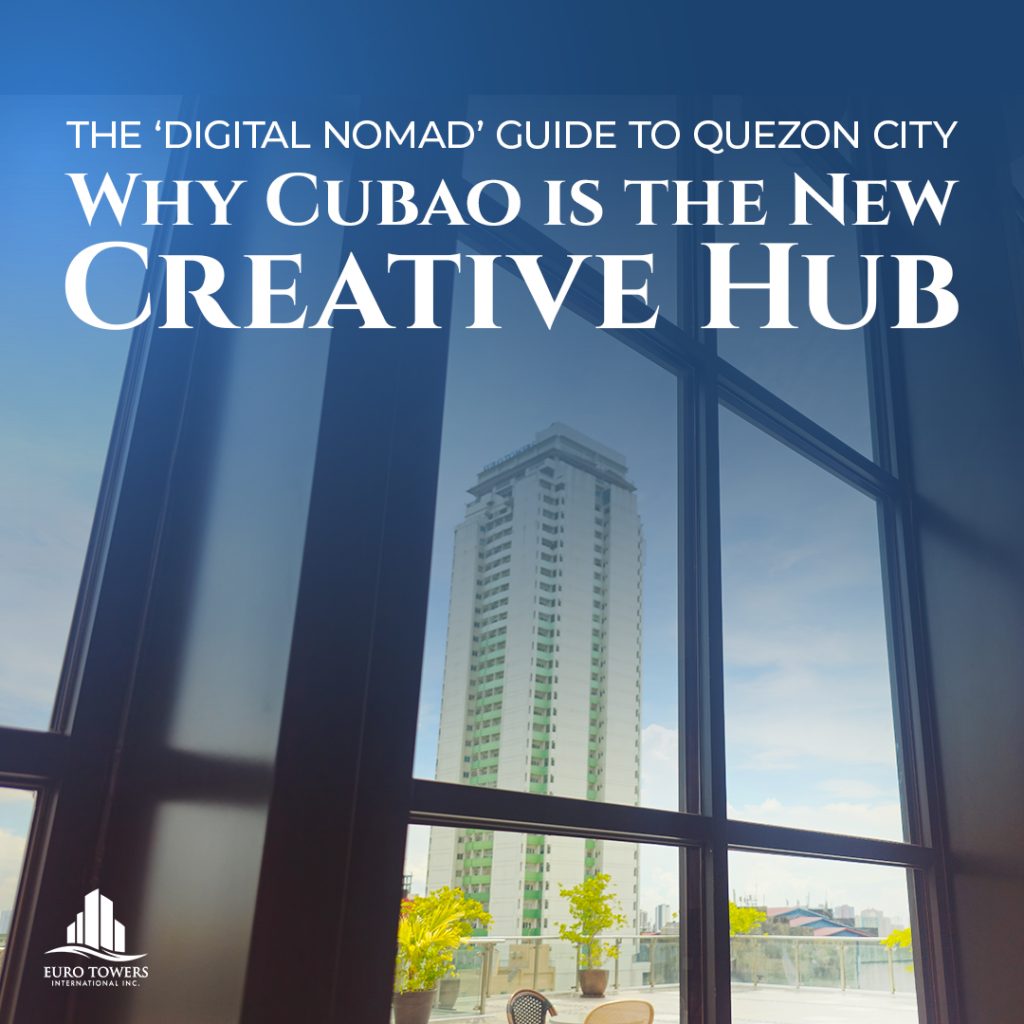
The Cubao Transit-Oriented Development: Renting long-term at Vivaldi Residences Cubao means locking in a deeply discounted monthly rate compared to transient stays, all while living exactly where the MRT-3, LRT-2, and major bus lines intersect. You save money on rent and commuting.
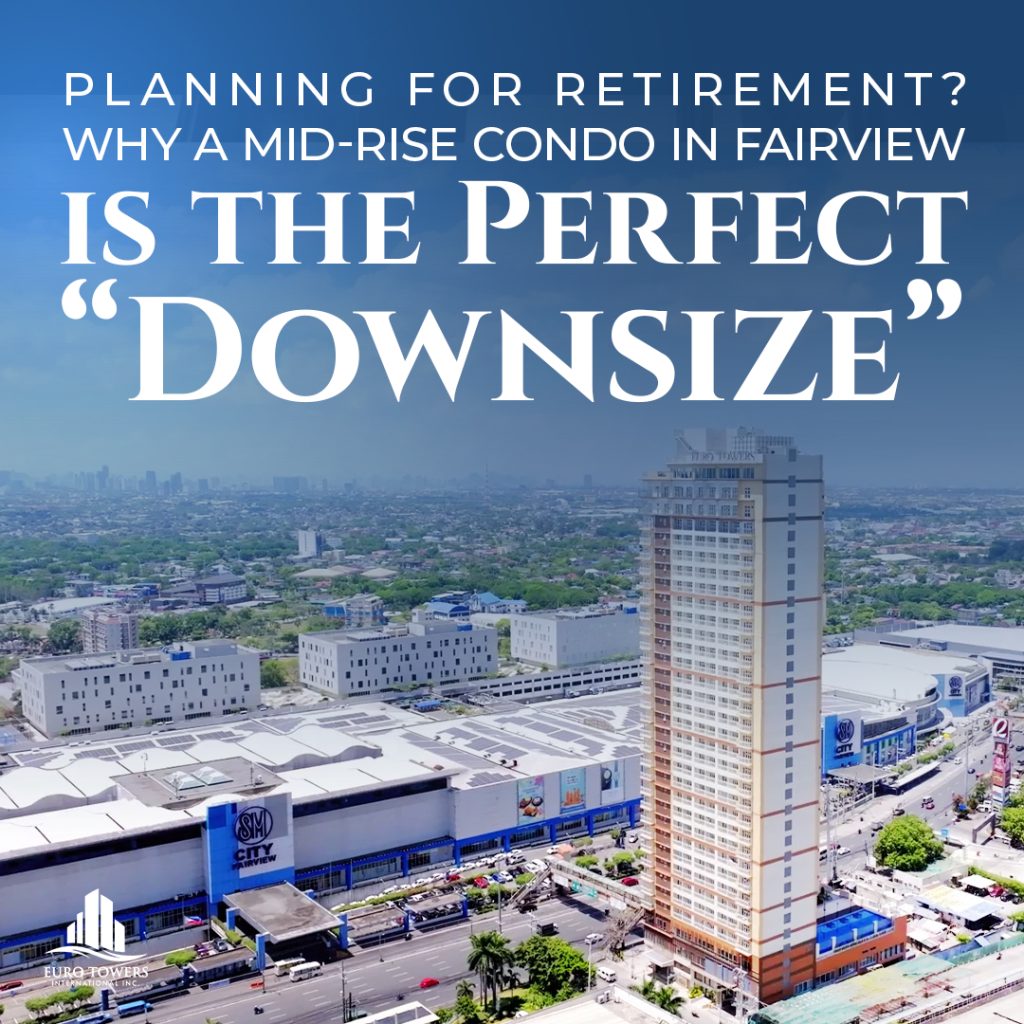
The Fairview Properties Near MRT-7: For young families or professionals looking for a quieter suburban hub that is still connected, signing a year-long lease at Milan Residenze Fairview allows you to settle in comfortably just as the MRT-7 becomes fully operational, without worrying about your landlord suddenly hiking the price next month.
Developer-Backed Security: Renting directly through our official leasing channels eliminates the risk of dealing with shady third-party agents or fake landlords. You sign a legitimate Contract of Lease that protects your rights as a tenant. Check out our other article on: How to Spot and Avoid Condo Rental Scams in Metro Manila
While short-term rentals are great for vacations, building your career and wealth requires the stability and cost-efficiency of a long-term home. By choosing a legally verified, fully finished RFO unit in a transit hub, you protect your budget and elevate your daily life.
Ready to take the first step? Book in our Site Visit Scheduler today to see our Ready-For-Occupancy units.
References
Colliers Philippines. (2026, February 10). Philippine Residential Market Update: Metro Manila Leasing Rates Stabilize. Colliers Insights. https://www.colliers.com/en-ph/research/
Department of Human Settlements and Urban Development (DHSUD). (2026, January). 2026 Guidelines on Standardized Lease Contracts for Residential Condominiums. DHSUD Official Portal. https://dhsud.gov.ph/